Social Icons

Pages

Showing posts with label Indoor. Show all posts

Friday, 12 August 2016

Growing Herbs Indoors: Thyme

Growing Herbs Indoors: Thyme

Image from https://commons.wikimedia.org/wiki/File:9262-Horapa_Flower_Leaves.jpg
If you want to learn about growing herbs indoors then Thyme could be a great choice for you. People have grown Thyme for centuries both as a decorative plant and also as an herb to use in cooking. It grows easily in a variety of conditions and can add beauty to a garden or home landscaping. Some of the most popular uses of Thyme in cooking are in meats, soups and stews.

Growing herbs indoors, and Thyme specifically, is the method if you plan to use it in your cooking. Thyme gives off a wonderful smell that will attract bees, an added benefit to gardeners. To use Thyme in cooking, the leaves should be picked right about the time it begins to flower. Once it is picked, store it in a plastic bag or right in your refrigerator’s crisper. By leaving a piece of stem and placing the cut Thyme in a glass of water, you can keep it fresh for quite some time.

Even if you place the Thyme in water, it won’t likely last much longer than a week and fresh Thyme should be used quickly after harvest. If you want to keep the Thyme for a longer period, you must dry it. This is done by simply hanging the herb in a warm dry place for a week or two. After it is dried, it can be broken into small pieces and container that can be tightly closed. Be sure to remove as much of the stems as possible since they have a somewhat unpleasant taste.

Growing herbs indoors is also useful for medicinal purposes. Many people believe in Thyme’s medicinal properties as well and it is used frequently in that capacity. Thyme is reported to aid in the digestion of fatty meats such as pork, lamb and duck and is often added to dishes using these meats. Thyme can also be made into a tea and used as an antiseptic, expectorant, and to ease sore throat pain. Recently, scientific studies have confirmed that Thyme does indeed have some medicinal properties.

Other products are made from Thyme’s oils. Once the oils are rendered and distilled, they can be used to make such products as toothpaste, deodorant, hair conditioners, mouthwash and insect repellent. Thyme is also a popular scent used in potpourri and other aromatic products.

Thyme is very easy to cook with since its flavor is so mild. It’s nearly impossible to over flavor with Thyme. If by chance you run out of Thyme, Oregano can be used as a decent substitute. But there really is no substitute for this versatile herb and all serious cooks need a good supply on hand at all times. So, if you wanted to get started with growing herbs indoors, why not get started with Thyme?

The Basics Indoor Herb Gardens

The Basics Indoor Herb Gardens

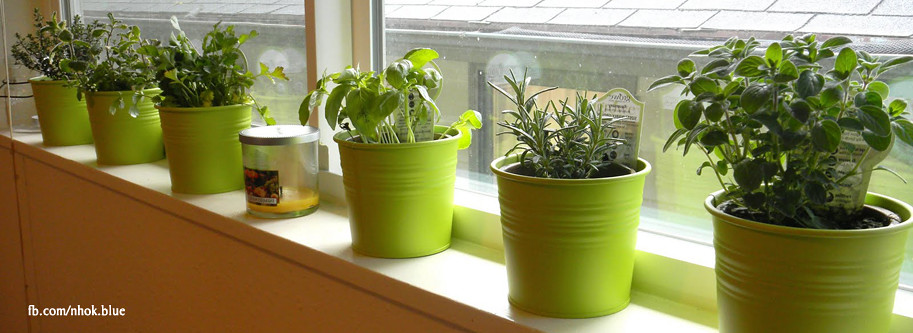
There's nothing like a few sprigs of fresh herbs to turn a normal home cooked meal into something special and the good news is that indoor herb gardens are easy to grow! The herbs you buy at the market can be hit or miss in their quality and the only way to be sure to have a fresh supply is to grow them yourself. Fortunately it’s easy to grow a large variety of herbs in a small garden or even right in your kitchen windowsill.
Image from https://www.flickr.com/photos/nhok_blue/7895303650

Indoor herb gardens can be started in two ways. You can either purchase seedling herbs from a nursery or garden center or begin your own directly from seed. Both ways are relatively simple, but beginners sometimes have better luck with seedlings.

Seedlings can generally be left in the containers they come in for the first season. Depending on how much you use them and how quickly they are growing, subsequent seasons will require you to either put them in a larger pot or transplant them to your garden. Herbs enjoy loose soil so be careful not to pack them too tightly if you need to transplant. A little mulch or a few wood chips will ensure that the herbs have the proper soil aeration they require.

When the herbs begin to outgrow the pots they are in, you can separate them into several different plants. Herbs are hearty plants and are very difficult to damage. This will greatly increase the amount of herbs you have. If the herbs are already growing in an outdoor garden, you can just as easily separate a small amount and move it to indoor herb gardens or planter for convenient year round use.

A small number of herbs are not well suited for indoor herb gardens. This should be clearly stated on the seed package. A nursery or gardening center should also be able to tell you which ones work best indoors. As a last resort, the Internet contains tons of information about herb gardening. Just be careful not to overwhelm yourself. The truth is that most herbs will grow very well if you simply throw a few seeds out your back door and wait a while. In a month or so you will likely have quite an herb garden growing right there in your lawn. If you’re not careful, the herbs can quickly take over.

How to Grow Herbs Successfully - Indoor Herb Garden

How to Grow Herbs Successfully - Indoor Herb Garden

Image from https://commons.wikimedia.org/wiki/File:Holy_Basil_(Ocimum_tenuiflorum)_1.jpg
Knowing how to grow herbs is easy and considerably cheaper than buying them in the market. It’s also better on the environment due to reduced transportation fees and processing and the quality will be better. Here are a few tips.

Select a sunny spot in which to grow your herbs. Kitchen windowsills often face south and are a good convenient, place to grow herbs. If not, find a good place in the garden. Herbs grow well outside in warm climates, but may need the warmth of an indoor environment in the winter months of a cold climate.

Next you need to carefully select your seeds. Though starter plants are available for purchase, growing them from seed is more economical and also more fun. You can purchase seeds from organic suppliers if this is an important factor for you. If you aren’t worried about a seeds source, then you can find them at any garden center.

When selecting your herbs, you must consider which will do best in your given situation. Popular herbs that are easy to grow and are used in many dishes include Basil, cilantro, bay, chives, mint and thyme. All of these are hardy and can grow in most conditions.

To get started with how to grow herbs from seed, simply follow the package instructions. Herbs are easy to start and grow ell with little effort. Once they begin to mature, you must pick them regularly to avoid brown, dying leaves. If your herbs begin to dry up, add more water.

Over time, herbs will require fertilizer as the soil is depleted. Organic fertilizers are best used to give the herbs a clean, natural taste. Organic matter that you compost yourself is an excellent option.

Once you have a selection of herbs to use, begin to spice up your cooking. Using herbs in cooking is an art, not a science. Experiment with different combinations; you can rarely go wrong. Once you find the perfect combination, write it down and pass it on to your friends.

Besides tasting great and adding life to any dish, herbs are also packed full of micro nutrients. These herbs make excellent teas and many are common ingredients in natural medicine products. Study what herbs work best for what ailment and you’ll soon be up and running your own natural pharmacy. What a great return on such a simple investment! Knowing how to grow herbs is easy!

Tuesday, 10 November 2015

Indoor Gardening

Indoor Gardening

Imagine greenery all over the place - Wouldn’t it be heavenly? Having more plants, herbs and trees are essential today, as we are nearly suffocating with the high rate of pollution in air, water, and soil. Governments of different countries are encouraging gardening and growing trees on either sides of the roads, public gardens, parks for children with trees etc.

Outdoor gardening is quite conventional, however, as it is becoming extinct with the advent of concrete and high-rise buildings, indoor gardening is gaining importance and popularity. You can maintain a garden indoors, if you are living in an apartment that does not have any outdoor space. If you love nature, you will not find indoor gardening tedious or space consuming.

As A Hobby

A lot of people love spending their free time in gardens. During winters, if you are not able to go out with family on outings or socialize with people in parties, you can spend time collecting materials on indoor gardening and interiorscaping, or you can work on the plants you already have. You can start with the easy-to-grow plant varieties like spider plants, snake plants, crotons and cactus as decoration. You can prune them to keep them growing out of shape and spreading throughout the house. Spray mild pesticides to remove pests that may harm the plants.

Saving Plants During Winters

Certain rare varieties of plants cannot survive snow or cold weather, as they do not have thick barks or leaves to protect themselves. In such cases, it is recommended to dig them out from the garden and keep them indoors in containers until winter passes.

Indoor Gardening Benefits

Indoor gardening improves the mental and physical health of a person. Here are some of its benefits –

1. Indoor gardens enliven a home and give it a whole new character.

2. You can decorate your living room by allowing the climbers to hang near the doors.

3. The plants inside your house will remove toxins, allergens and improve the air quality inside the house.

Even the offices and hotels today have opted for interiorscaping for these reasons.

Beware Of Enemies

If you don’t identify and act on the enemies of your plants in the initial stages, you might repent it later. Whiteflies (insects with white, waxy bodies), spider mites, aphids are all common enemies of plants in general. Aphids are unnoticeable, unlike whiteflies that also attack leaves in general, specifically the tender leaves, to suck their juices. If you are an amateur, you might even find it difficult to identify them. However, after some experience you should be able to tackle them easily.

With the right mix of knowledge and care, experience and expertise, your efforts at indoor gardening will definitely bear fruit.

Starting an Indoor Herb Garden

Starting an Indoor Herb Garden

So you’re all ready to get started on an indoor herb garden? We’ll show you which supplies you’ll need, how to plan your garden, and give you some recommendations on which herbs to grow. Let’s get going!

Which herbs do you want to grow?

This is a fun part of the planning! Decide what kind of herbs you want to grow. A few cooking herbs that do especially well indoors are thyme, parsley, oregano (requires lots of light), chives, and sage.

Mint also does extremely well indoors, but be careful, it will overtake other herbs if it’s planted in the same container.

Garlic lovers will love planting garlic chives. Cut the tops off and chop them up into your food for a mild garlic flavor.

Tip: Separate the perennial herbs from the annuals. This makes maintaining and replanting easier.

Seeds or Plants

Nearly all herbs can be grown from seed. This is the least expensive option, but it also requires the most babysitting and work.

If you want to go with young plants, your local nursery should have anything you want. You can also order plants online, but a nursery has the benefit of a knowledgeable staff that can answer your questions.

Very few diseases or insects attack herbs so you should be okay no matter if you chose seeds or plants.

Containers

There are several approaches to setting up your indoor herb garden. The first way is using one large container. This allows for an interesting container that looks nice, but can also cause problems with herbs getting tangled up with each other and taking on wrong flavors. If you choose this route, be sure to leave 6-8 inches across for each plant.

The most practical approach would probably be individual six-inch pots. You can plant multiple seeds in of the same herb in each pot. Depending on the pot, these might not look as nice as one container. However, the different shapes and colors of the herbs will nonetheless make your garden very attractive.

Soil and aeration

Use a soilless potting mix to avoid soil born diseases. Be sure the mix is light and will drain well. Some herb gardeners also have success with mixing two parts sterilized potting soil and one part coarse sand or perlite.

Add stones and bark chips to the bottom of your container or pots to provide aeration.

Planting Instructions

If you’re planting seeds or small bulbs, tuck them into the soil at the specified depth which you will find on the seed packet.

Nursery bought plants can be removed from their containers and placed in holes dug into the potting soil. Some gardeners just plant the herb along with its plastic container into the pot. This is a great method if more than one type of herb is sharing a container.

After planting, firm the soil around the edge of the plant gently gently. Leave about an inch at the top of the container for watering. Mist with water immediately.

Keep the information tag that comes with each herb. Stick it into the dirt in front of the plant so that it's easy to identify each herb.

Location

Your herb garden is going to need lots of light. A sunny windowsill facing south works the best. Try to chose a spot that gets at least four hours of direct sunlight a day.

If it’s hard to find a sunny spot where you are, you can augment what light you have with fluorescent lights. These can come in especially handy during the winter months.

Care and feeding

Once a week, feed your herbs a diluted, organic fertilizer; fish emulsion or seaweed extract is a great option. Since you’re going to be eating the herbs, don’t feed them anything nasty like pesticides.

Be careful not to overwater. Herbs don’t like wet soil. The soil should be moist but not saturated. If you’re in an excessively humid or dry location adjust to compensate.
 

Sample text

Sample Text

 
Blogger Templates