Social Icons

Pages

Saturday, 13 August 2016

Kitchen Herb Garden – Some Easy to Grow Herbs

Kitchen Herb Garden – Some Easy to Grow Herbs

Herbs are among the simplest and also the most useful things one can grow in their garden or home – in fact, a kitchen herb garden is so simple but so rewarding. Herbs grow quickly and continue producing for a long time. A quick pinch will provide fresh additions to any meal. Here are the five easiest to grow and most useful herbs.

Basil

Image from https://commons.wikimedia.org/wiki/File:Basil3800ppx.jpg
Basil can grow either indoors in your kitchen herb garden, or outdoors as long as the last frost for your climate has passed. Simply place the seeds in the ground and make sure they have sufficient water. Soon you will see plants that can reach two feet high or taller. To manage the plants, you need to start pruning and thinning them soon after they begin growing well. After six to eight weeks, the leaves can begin to be picked and used in cooking. If you plan to dry these leaves, leave them on the plant until it starts to bloom.

Mint

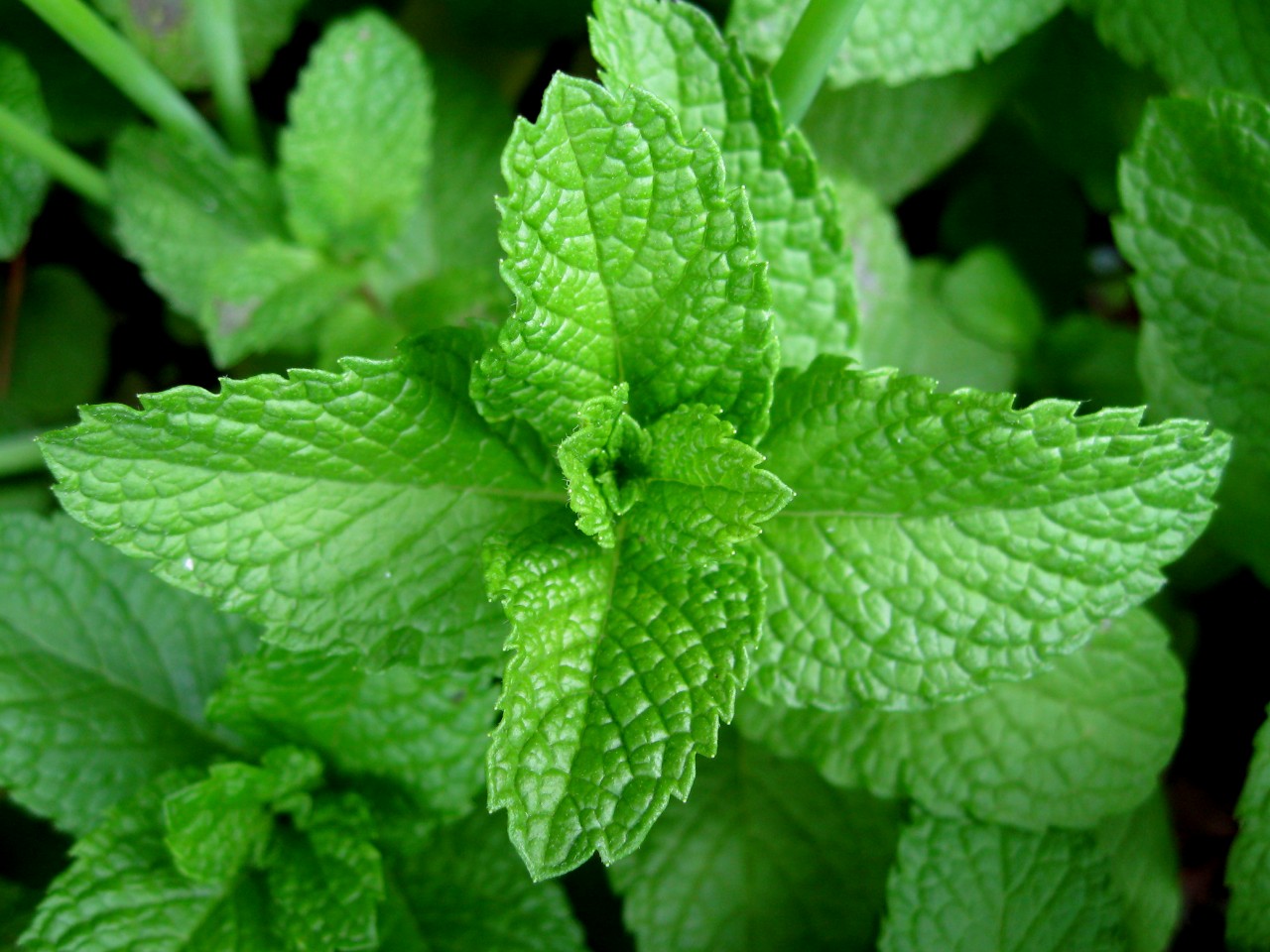
Mint is a popular herb used in many meat and desert dishes and also in many drinks including teas and aperitifs. Mint is a perennial and will continue to grow in your garden year after year with very little care. Mint grows in nearly all soil conditions and quickly propagates. If left unchecked, it can quickly overtake your garden plot.

Dill

Dill is a slightly bitter herb that is most popular in the preserving of pickles. It has several other uses for its unique taste also. The seeds as well as the leaves and stems can be used to season food. This plant needs to be harvested before it begins to flower for best results. Perfect for your kitchen herb garden!

Thyme

Thyme is a hearty plant that is sometimes used as a ground cover in dry climates. It grows well in almost any condition and is easy to maintain.

Parsley

Parsley is a very versatile herb with many uses that is also very easy to grow. All that Parsley requires is a fair amount of sun. Soil matters very little and water requirements are minimum.

There’s no need to be a master gardener to grow great herbs at home in a kitchen herb garden. Most herbs will grow on their own if left to their own devices and need minimum human interaction. If you like to cook, an herb garden is a great, economical investment. There’s nothing in the world like a quick blast of home grown herbs to add something special to any meal.

Grow Your Own Herbs for Herbal Tea

Grow Your Own Herbs for Herbal Tea

As more and more people become concerned about the negative effects of coffee and other highly caffeinated beverages, herbal teas are gaining a larger and larger share of the market, especially when it comes to how easy it is to grow your own herbs.

Image from https://commons.wikimedia.org/wiki/File:Lemon_Balm_Tea.jpg
The various kinds of herbal teas can help with a variety of ailments including stress, menstrual pain, common colds, congestion and more. The various herbs for herbal tea can be bought prepackaged in most markets but if you want to truly enjoy the flavor and health benefits of herbal teas, you should grow the ingredients yourself.

Herbal teas can be made from many plants but some are much more common than others. Here are some of the favorites if you want to grow your own herbs to provide a ready supply for delicious teas.

Image from https://commons.wikimedia.org/wiki/File:Mint-tea.jpg
Mint is an extremely popular herbal tea ingredient that comes in many varieties. Orange mint and pineapple mint are often used in teas, but the most popular for beverages is peppermint. Teas made from this herb are generally considered stimulants.

Lemon balm is an herb that is closely related to mint and produces a refreshing minty flavor in tea. Lemon balm grows well in the shade making it a great herb to grow indoors.

Chamomile is a very popular herbal tea ingredient. It is known for its calming effect. It makes a great stress reducer and also has a variety of health benefits. This herb requires sun and plenty of water to grow and does well in most gardens. The flowers are the part used to make the tea.

Lavender is an herb that is often used for its pleasant smell, but its buds also makes a perfect tea. Lavender also reduces stress like chamomile and is frequently used to treat headaches caused by tension. You should grow lavender in a sunny place and make sure the soil is well drained.

Coriander is an herb that is most often used in cooking but can also be used to as an ingredient in tea. Use coriander’s leaves to produce a spicy tea with undertones of citrus. Coriander will grow well in most conditions, indoors or out.

Violets can also be used to make herbal tea though they are slightly more difficult to grow than the normal herbs. Teas made with violets are rich in Vitamin a and C. You can use the dried flowers and leaves of violets to make tea. Violets require shady areas to grow and do well indoors.

Thyme, another popular cooking herb, can also make a pleasant tea. Thyme has a gentle, somewhat spicy flavor and can grow well indoors.

It is easy to grow your own herbs. Many of these herbs do well indoors in containers as long as they get adequate sunlight.


Herbs are among the easiest plants to grow and almost all of them can be grown on a small scale indoors. For a bigger operation, a small garden to grow your own herbs is perfect.

Friday, 12 August 2016

Growing Herbs Indoors: Thyme

Growing Herbs Indoors: Thyme

Image from https://commons.wikimedia.org/wiki/File:9262-Horapa_Flower_Leaves.jpg
If you want to learn about growing herbs indoors then Thyme could be a great choice for you. People have grown Thyme for centuries both as a decorative plant and also as an herb to use in cooking. It grows easily in a variety of conditions and can add beauty to a garden or home landscaping. Some of the most popular uses of Thyme in cooking are in meats, soups and stews.

Growing herbs indoors, and Thyme specifically, is the method if you plan to use it in your cooking. Thyme gives off a wonderful smell that will attract bees, an added benefit to gardeners. To use Thyme in cooking, the leaves should be picked right about the time it begins to flower. Once it is picked, store it in a plastic bag or right in your refrigerator’s crisper. By leaving a piece of stem and placing the cut Thyme in a glass of water, you can keep it fresh for quite some time.

Even if you place the Thyme in water, it won’t likely last much longer than a week and fresh Thyme should be used quickly after harvest. If you want to keep the Thyme for a longer period, you must dry it. This is done by simply hanging the herb in a warm dry place for a week or two. After it is dried, it can be broken into small pieces and container that can be tightly closed. Be sure to remove as much of the stems as possible since they have a somewhat unpleasant taste.

Growing herbs indoors is also useful for medicinal purposes. Many people believe in Thyme’s medicinal properties as well and it is used frequently in that capacity. Thyme is reported to aid in the digestion of fatty meats such as pork, lamb and duck and is often added to dishes using these meats. Thyme can also be made into a tea and used as an antiseptic, expectorant, and to ease sore throat pain. Recently, scientific studies have confirmed that Thyme does indeed have some medicinal properties.

Other products are made from Thyme’s oils. Once the oils are rendered and distilled, they can be used to make such products as toothpaste, deodorant, hair conditioners, mouthwash and insect repellent. Thyme is also a popular scent used in potpourri and other aromatic products.

Thyme is very easy to cook with since its flavor is so mild. It’s nearly impossible to over flavor with Thyme. If by chance you run out of Thyme, Oregano can be used as a decent substitute. But there really is no substitute for this versatile herb and all serious cooks need a good supply on hand at all times. So, if you wanted to get started with growing herbs indoors, why not get started with Thyme?

The Basics Indoor Herb Gardens

The Basics Indoor Herb Gardens

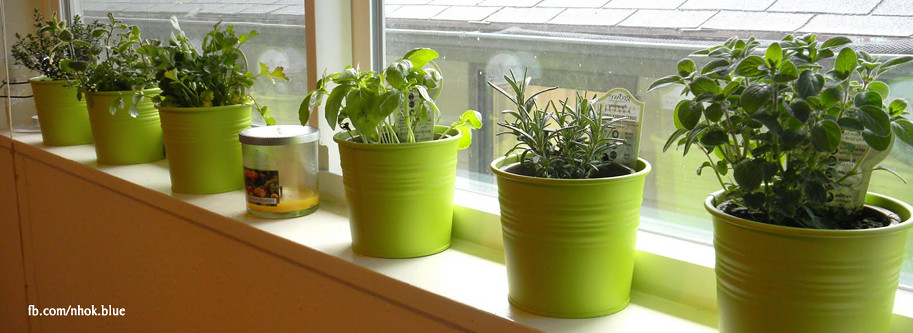
There's nothing like a few sprigs of fresh herbs to turn a normal home cooked meal into something special and the good news is that indoor herb gardens are easy to grow! The herbs you buy at the market can be hit or miss in their quality and the only way to be sure to have a fresh supply is to grow them yourself. Fortunately it’s easy to grow a large variety of herbs in a small garden or even right in your kitchen windowsill.
Image from https://www.flickr.com/photos/nhok_blue/7895303650

Indoor herb gardens can be started in two ways. You can either purchase seedling herbs from a nursery or garden center or begin your own directly from seed. Both ways are relatively simple, but beginners sometimes have better luck with seedlings.

Seedlings can generally be left in the containers they come in for the first season. Depending on how much you use them and how quickly they are growing, subsequent seasons will require you to either put them in a larger pot or transplant them to your garden. Herbs enjoy loose soil so be careful not to pack them too tightly if you need to transplant. A little mulch or a few wood chips will ensure that the herbs have the proper soil aeration they require.

When the herbs begin to outgrow the pots they are in, you can separate them into several different plants. Herbs are hearty plants and are very difficult to damage. This will greatly increase the amount of herbs you have. If the herbs are already growing in an outdoor garden, you can just as easily separate a small amount and move it to indoor herb gardens or planter for convenient year round use.

A small number of herbs are not well suited for indoor herb gardens. This should be clearly stated on the seed package. A nursery or gardening center should also be able to tell you which ones work best indoors. As a last resort, the Internet contains tons of information about herb gardening. Just be careful not to overwhelm yourself. The truth is that most herbs will grow very well if you simply throw a few seeds out your back door and wait a while. In a month or so you will likely have quite an herb garden growing right there in your lawn. If you’re not careful, the herbs can quickly take over.

How to Grow Herbs Successfully - Indoor Herb Garden

How to Grow Herbs Successfully - Indoor Herb Garden

Image from https://commons.wikimedia.org/wiki/File:Holy_Basil_(Ocimum_tenuiflorum)_1.jpg
Knowing how to grow herbs is easy and considerably cheaper than buying them in the market. It’s also better on the environment due to reduced transportation fees and processing and the quality will be better. Here are a few tips.

Select a sunny spot in which to grow your herbs. Kitchen windowsills often face south and are a good convenient, place to grow herbs. If not, find a good place in the garden. Herbs grow well outside in warm climates, but may need the warmth of an indoor environment in the winter months of a cold climate.

Next you need to carefully select your seeds. Though starter plants are available for purchase, growing them from seed is more economical and also more fun. You can purchase seeds from organic suppliers if this is an important factor for you. If you aren’t worried about a seeds source, then you can find them at any garden center.

When selecting your herbs, you must consider which will do best in your given situation. Popular herbs that are easy to grow and are used in many dishes include Basil, cilantro, bay, chives, mint and thyme. All of these are hardy and can grow in most conditions.

To get started with how to grow herbs from seed, simply follow the package instructions. Herbs are easy to start and grow ell with little effort. Once they begin to mature, you must pick them regularly to avoid brown, dying leaves. If your herbs begin to dry up, add more water.

Over time, herbs will require fertilizer as the soil is depleted. Organic fertilizers are best used to give the herbs a clean, natural taste. Organic matter that you compost yourself is an excellent option.

Once you have a selection of herbs to use, begin to spice up your cooking. Using herbs in cooking is an art, not a science. Experiment with different combinations; you can rarely go wrong. Once you find the perfect combination, write it down and pass it on to your friends.

Besides tasting great and adding life to any dish, herbs are also packed full of micro nutrients. These herbs make excellent teas and many are common ingredients in natural medicine products. Study what herbs work best for what ailment and you’ll soon be up and running your own natural pharmacy. What a great return on such a simple investment! Knowing how to grow herbs is easy!
 

Sample text

Sample Text

 
Blogger Templates