Social Icons

Pages

Tuesday, 10 November 2015

Indoor Gardening

Indoor Gardening

Imagine greenery all over the place - Wouldn’t it be heavenly? Having more plants, herbs and trees are essential today, as we are nearly suffocating with the high rate of pollution in air, water, and soil. Governments of different countries are encouraging gardening and growing trees on either sides of the roads, public gardens, parks for children with trees etc.
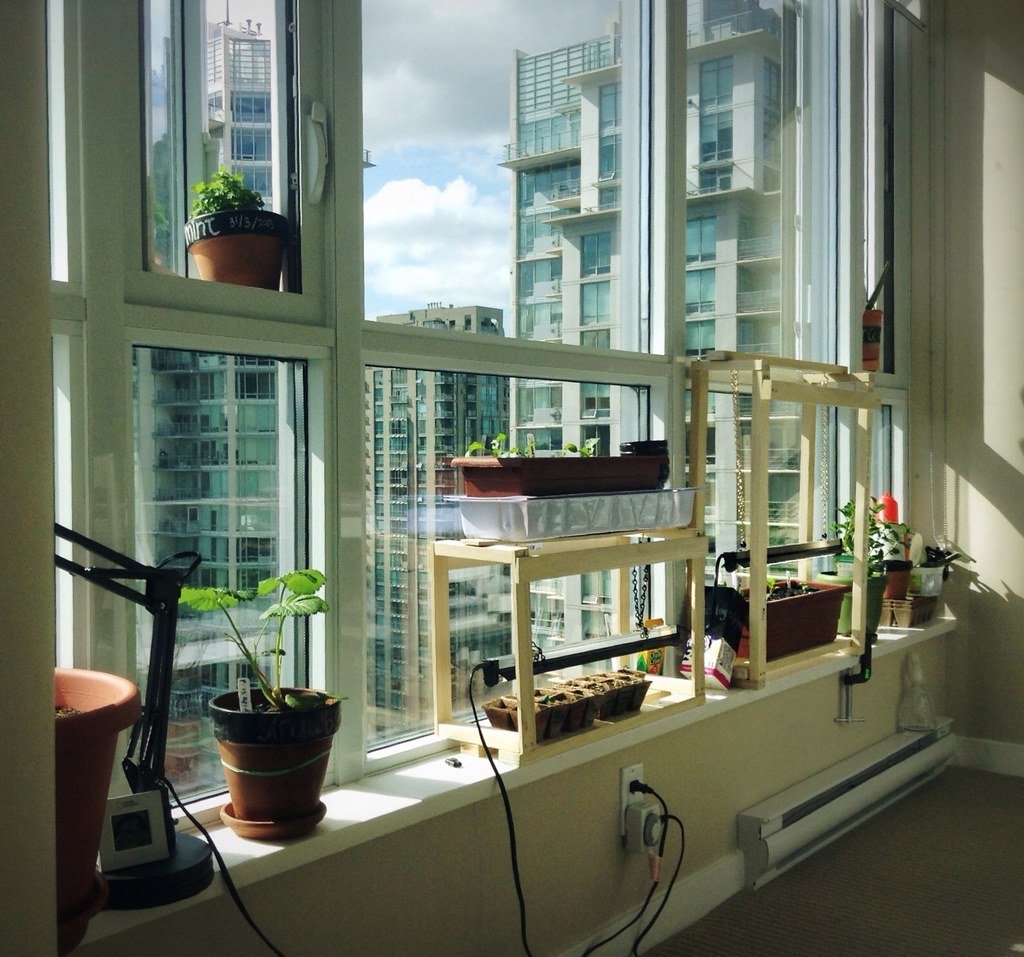
Outdoor gardening is quite conventional, however, as it is becoming extinct with the advent of concrete and high-rise buildings, indoor gardening is gaining importance and popularity. You can maintain a garden indoors, if you are living in an apartment that does not have any outdoor space. If you love nature, you will not find indoor gardening tedious or space consuming.

As A Hobby

A lot of people love spending their free time in gardens. During winters, if you are not able to go out with family on outings or socialize with people in parties, you can spend time collecting materials on indoor gardening and interiorscaping, or you can work on the plants you already have. You can start with the easy-to-grow plant varieties like spider plants, snake plants, crotons and cactus as decoration. You can prune them to keep them growing out of shape and spreading throughout the house. Spray mild pesticides to remove pests that may harm the plants.

Saving Plants During Winters

Certain rare varieties of plants cannot survive snow or cold weather, as they do not have thick barks or leaves to protect themselves. In such cases, it is recommended to dig them out from the garden and keep them indoors in containers until winter passes.

Indoor Gardening Benefits

Indoor gardening improves the mental and physical health of a person. Here are some of its benefits –

1. Indoor gardens enliven a home and give it a whole new character.

2. You can decorate your living room by allowing the climbers to hang near the doors.

3. The plants inside your house will remove toxins, allergens and improve the air quality inside the house.

Even the offices and hotels today have opted for interiorscaping for these reasons.

Beware Of Enemies

If you don’t identify and act on the enemies of your plants in the initial stages, you might repent it later. Whiteflies (insects with white, waxy bodies), spider mites, aphids are all common enemies of plants in general. Aphids are unnoticeable, unlike whiteflies that also attack leaves in general, specifically the tender leaves, to suck their juices. If you are an amateur, you might even find it difficult to identify them. However, after some experience you should be able to tackle them easily.

With the right mix of knowledge and care, experience and expertise, your efforts at indoor gardening will definitely bear fruit.

Harvesting and Preserving Herbs

Harvesting and Preserving Herbs

So you’ve got an awesome herb garden, now what? This page will show you how and when to harvest and preserve your delicious herbs.

Use your herb garden often

Now that you have these fantastic herbs at your fingertips, don’t be afraid to use them!. The more you cut your herb plants, the more they’ll grow. Of course you don’t want to butcher your garden or anything, just clip what you need when you need it. Leave plenty of growth on the plant and your garden should be fine for a long time.

Harvesting

Most herbs are at their peak flavor just before they blossom. That’s when you want to pick them for drying and preserving. Different herbs are harvested at different times. Farther down this page is a concise guide for when to harvest the most popular herbs, but you may want to keep a reference book handy.

Harvest annuals by cutting them at ground level. Cut perennials about a third down the stem.

Wash thoroughly

Wash the herbs with the leaves still on the stems. Use cold running water. Keep the water a light stream in order to avoid damaging your herbs. Gently shake off excess water and hang the herbs in the sun until they dry completely. If the plant has already flowered, be sure to remove any blossoms.

Natural drying

Tie the herbs into small bundles and hang them upside down in a dark, warm, dust-free area. They should be dry in about 1 to 2 weeks. Leaves will feel dry and crumbly when the herbs are completely dry.

Microwave and oven drying

Herbs can be dried much faster using a microwave or oven. For microwave drying, put the leaves on a paper plate and dry them for about two minutes. Flip them over every 30 seconds.

Quick note: Microwave oven wattage may vary. Herbs will be dry when the leaves are brittle to the touch.

For oven drying, put the herbs in a shallow cookie sheet and place them in the oven for 2 to 4 hours at a heat less than 180 degrees Fahrenheit.

Packaging dried herbs

Store dried herbs in airtight containers. Don’t use paper or cardboard containers as they absorb the herbs oils. Store leaves whole and crush them just before use to release flavor.

Freezing herbs

Fresh herbs can be frozen for later use. Simply wash them in boiling water for about one minute and pack them into freezer bags. Dill, basil, and chives can be frozen without boiling them first.

Herb harvesting guide

Below you will find a very short guide on harvesting and using the most popular herbs. It may not cover an herb that you have planted, so a reliable book about herbs would be a wise investment.

Basil

Basil can usually be harvested six weeks after planting. Be sure to keep your basil plants trimmed down. Lush growth can reduce the flavor of the leaves. It’s an extremely popular herb and is used in many dishes.

Type: annual (most common) and perennial

Chives

A member of the onion family, chives have a light onion flavor. They are a perfect choice for foods that need a subtle (not strong) onion flavor. The leaves resemble thick blades of grass. Cut them as soon as they are long enough to use.

Type: perennial

Oregano

Oregano is a hardy plant that can grow up to two feet tall. Use fresh leaves as needed or preserve before flowering. Dried oregano is a fantastic seasoning for Italian style foods and is often used on pizza.

Type: perennial

Parsley

This is one of the best herbs to grow indoors. Often used fresh or as a garnish, parsley leaves have a distinct flavor and smell. Harvest them when they are large enough to use.

Type: biennial

Rosemary

Rosemary is a popular flavoring for meats and dressings. It’s at its absolute best when paired with potatoes. Use fresh rosemary leaves and branches as needed.

Type: perennial

Thyme

Like basil, thyme is used in many dishes. It’s definitely an herb you want to have around. It can grow up to 10 inches in height and produces clusters of aromatic flowers. Cut and dry the leafy clusters as soon as the blossoms open and dry.

Type: perennial

Why an Herb Garden?

Why an Herb Garden?

If the reasons to have an indoor herb garden aren't immediately obvious to you, then your in luck. We’ve put together a list of some of the best reasons to get started with an herb garden.

Fun and satisfaction

Anyone with a green thumb will happily tell you how much enjoyment they get out of growing things. Watching your herb plants grow can be a magical way to get in touch with nature.

It’s also extremely satisfying knowing that you are the one that’s responsible for the delicious herbs you’re enjoying in your recipes. And you know what you’re eating, which is more than what you can say for herbs bought from the supermarket.

Low maintenance

Herb gardens are typically very small and easy to maintain. Indoor herb gardens, especially, are a breeze to care for.

A small herb garden doesn’t take up much space and can fit into even the smallest apartment.

Great for cooking

Need some fresh parsley for that recipe? With an indoor herb garden you can just walk over to the windowsill and grab a few sprigs.

Cooking with fresh herbs is truly a wonderful experience. Having them at your fingertips is convenient to say the least.

Cost-effective

Have you ever had to spend three dollars on a little tiny package of chives? If so, we feel your pain. An indoor herb garden is a cost-effective and handy alternative to buying herbs at the supermarket.

Charming decoration

As useful as they can be, herb gardens are also great decorations. The different shapes, sizes, and colors of the herbs add something special to a kitchen or windowsill.

If you have an unsightly, grassless area in your backyard, you might think about putting an herb garden there as well.

Nice aroma

Many herbs have a very pleasant aroma. An herb garden makes your kitchen smell great.

Grow year round

Depending on where you live, the snowy season can put a real damper on gardening. Not so with an herb garden! As long as you have sunlight you can happily get your gardening fix year round.

Give the kids a head start on gardening

So we’ve already established that indoor herb gardens are fun, satisfying, and low maintenance. Sounds like the perfect way to introduce the kids to gardening doesn’t it? Set them up with a basic herb garden and you’ll be giving them a head start on a green thumb.

Starting an Indoor Herb Garden

Starting an Indoor Herb Garden

So you’re all ready to get started on an indoor herb garden? We’ll show you which supplies you’ll need, how to plan your garden, and give you some recommendations on which herbs to grow. Let’s get going!

Which herbs do you want to grow?

This is a fun part of the planning! Decide what kind of herbs you want to grow. A few cooking herbs that do especially well indoors are thyme, parsley, oregano (requires lots of light), chives, and sage.

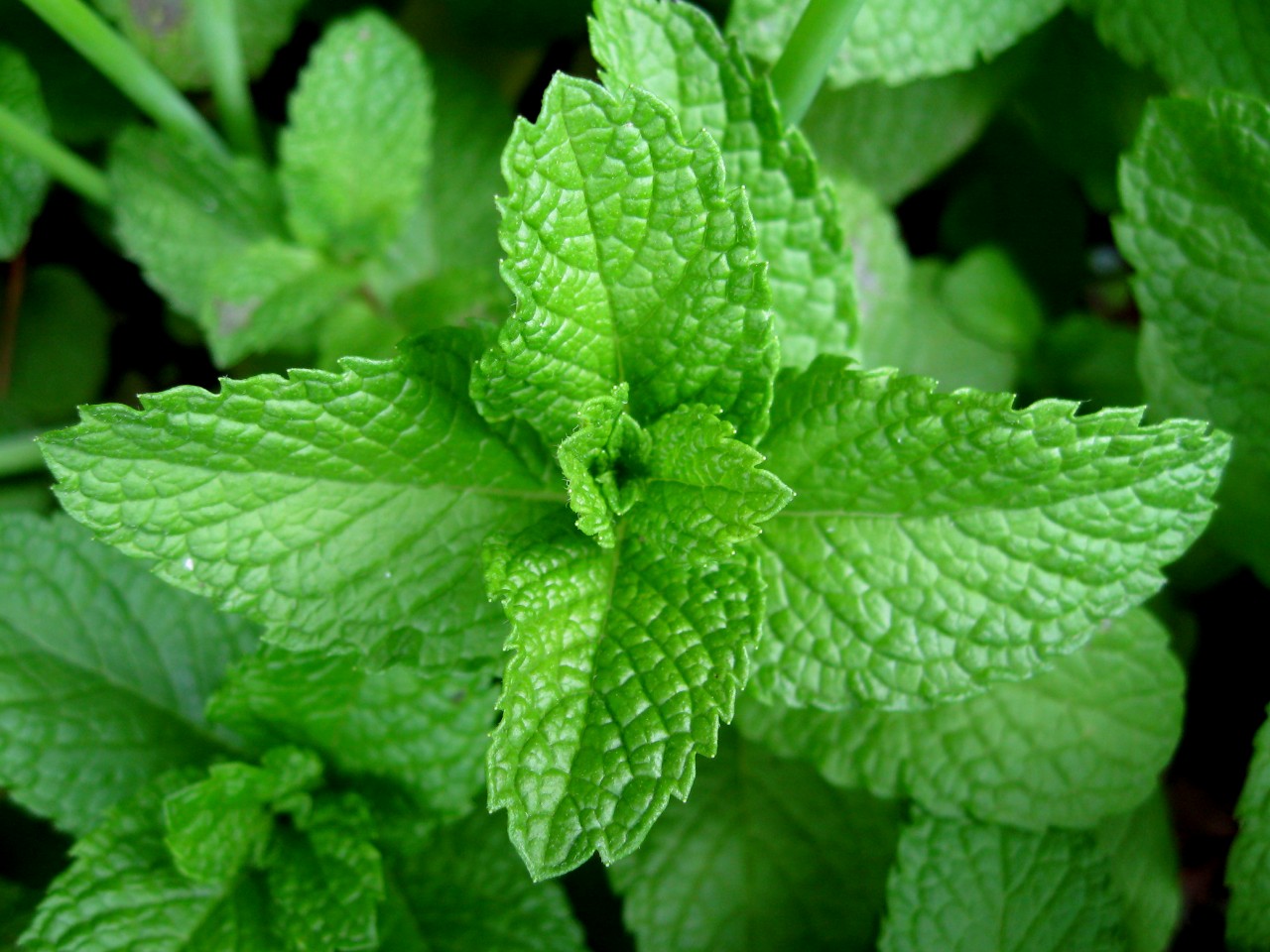
Mint also does extremely well indoors, but be careful, it will overtake other herbs if it’s planted in the same container.

Garlic lovers will love planting garlic chives. Cut the tops off and chop them up into your food for a mild garlic flavor.

Tip: Separate the perennial herbs from the annuals. This makes maintaining and replanting easier.

Seeds or Plants

Nearly all herbs can be grown from seed. This is the least expensive option, but it also requires the most babysitting and work.

If you want to go with young plants, your local nursery should have anything you want. You can also order plants online, but a nursery has the benefit of a knowledgeable staff that can answer your questions.

Very few diseases or insects attack herbs so you should be okay no matter if you chose seeds or plants.

Containers

There are several approaches to setting up your indoor herb garden. The first way is using one large container. This allows for an interesting container that looks nice, but can also cause problems with herbs getting tangled up with each other and taking on wrong flavors. If you choose this route, be sure to leave 6-8 inches across for each plant.

The most practical approach would probably be individual six-inch pots. You can plant multiple seeds in of the same herb in each pot. Depending on the pot, these might not look as nice as one container. However, the different shapes and colors of the herbs will nonetheless make your garden very attractive.

Soil and aeration

Use a soilless potting mix to avoid soil born diseases. Be sure the mix is light and will drain well. Some herb gardeners also have success with mixing two parts sterilized potting soil and one part coarse sand or perlite.

Add stones and bark chips to the bottom of your container or pots to provide aeration.

Planting Instructions

If you’re planting seeds or small bulbs, tuck them into the soil at the specified depth which you will find on the seed packet.

Nursery bought plants can be removed from their containers and placed in holes dug into the potting soil. Some gardeners just plant the herb along with its plastic container into the pot. This is a great method if more than one type of herb is sharing a container.

After planting, firm the soil around the edge of the plant gently gently. Leave about an inch at the top of the container for watering. Mist with water immediately.

Keep the information tag that comes with each herb. Stick it into the dirt in front of the plant so that it's easy to identify each herb.

Location

Your herb garden is going to need lots of light. A sunny windowsill facing south works the best. Try to chose a spot that gets at least four hours of direct sunlight a day.

If it’s hard to find a sunny spot where you are, you can augment what light you have with fluorescent lights. These can come in especially handy during the winter months.

Care and feeding

Once a week, feed your herbs a diluted, organic fertilizer; fish emulsion or seaweed extract is a great option. Since you’re going to be eating the herbs, don’t feed them anything nasty like pesticides.

Be careful not to overwater. Herbs don’t like wet soil. The soil should be moist but not saturated. If you’re in an excessively humid or dry location adjust to compensate.
 

Sample text

Sample Text

 
Blogger Templates